 Lechia Gdansk Hub
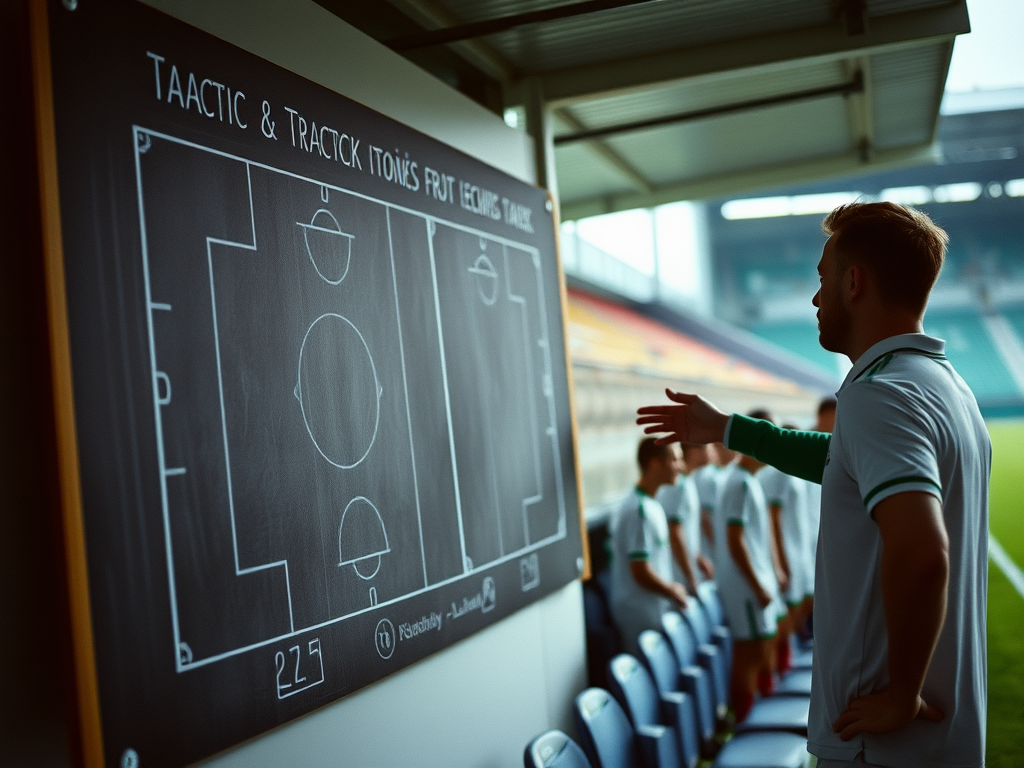
In recent matches, Lechia Gdansk has struggled with defensive issues and a lack of creativity in attack. The team often sets up in a 4-2-3-1 formation, which can be advantageous but requires greater versatility from midfielders. We've seen opponents easily take the initiative, leading to dangerous counterattacks. To improve this situation, it might be worth considering a switch to a 4-3-3 system, which would allow for increased pressure on the opposition and better protection of the midfield.
In terms of attack, Lechia Gdansk needs more support from the second line. Currently, midfielders often play too passively, limiting the team’s offensive capabilities. Incorporating more dynamic players, like A. Jaunzems, into attacking plays could yield tangible benefits. It’s also worth considering the implementation of high pressing, which would force opponents into mistakes on their side of the pitch.
Additionally, communication between defenders and the goalkeeper is crucial. Michał Kaczorowski must be confident that his teammates in defense are aware of the threats that may arise during opposing attacks. Regular video analysis and training sessions focused on defensive organization could help improve coordination and reactions on the field.
In summary, Lechia Gdansk has the potential to get back on track, but it requires thoughtful changes in tactics and greater confidence from the players. Introducing flexibility to the formation, better utilization of offensive talents, and strengthening communication in defense could yield positive results in upcoming matches.